by Shabaaka Smalls
Georgia has a new law on the books, and charter school leaders planning any kind of campus improvement should know about it. House Bill 371, signed by Governor Brian Kemp in 2025, requires that playgrounds built as part of a new elementary school constructed on or after July 1, 2027 meet inclusive design standards. The same bill also raised the state’s capital outlay funding cap from $300 million to $375 million a year, which matters if your school has facility upgrades anywhere on the horizon.
This isn’t an urgent deadline for most charter schools. The law covers new construction, not existing playgrounds, so nothing changes for you tomorrow. But 2027 isn’t far off, and if there’s any chance your school could be building new in the next few years, it’s worth getting ahead of now rather than scrambling later.
Questions worth asking now
To future-proof your outdoor spaces, here are some great questions to start with:
- Accessibility. Can students of all abilities use your pathways, seating, and gathering spaces, or just get near them?
- Comfort. Is there enough shade to accommodate Georgia’s weather? Somewhere to sit that isn’t a metal bench in full sun?
- Safety. How’s your surfacing and drainage holding up? Standing water and worn-down mulch can lead to injuries.
- Learning. Could an outdoor classroom or garden space give teachers another place to teach besides four walls?
- Health. Does your landscaping make allergy season worse for kids and staff than it needs to?
None of these questions require a new building to answer. They’re just good things to think about for any campus.
Bringing in outside help
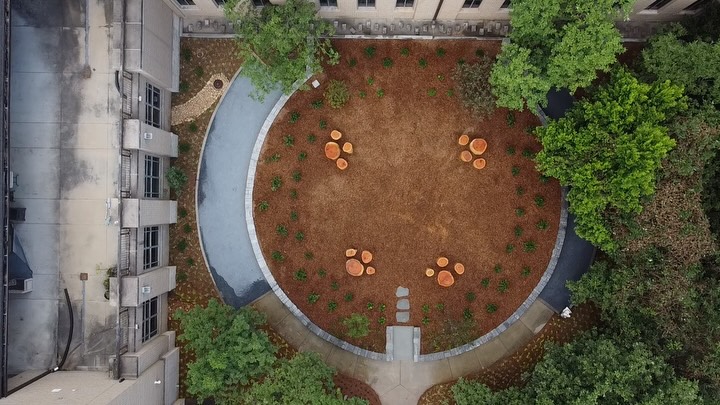
We recently heard from Calo Landscape, an Atlanta-based landscaping company that has worked on outdoor spaces at charter campuses including E. Rivers Elementary and Ethos Classical Charter School.
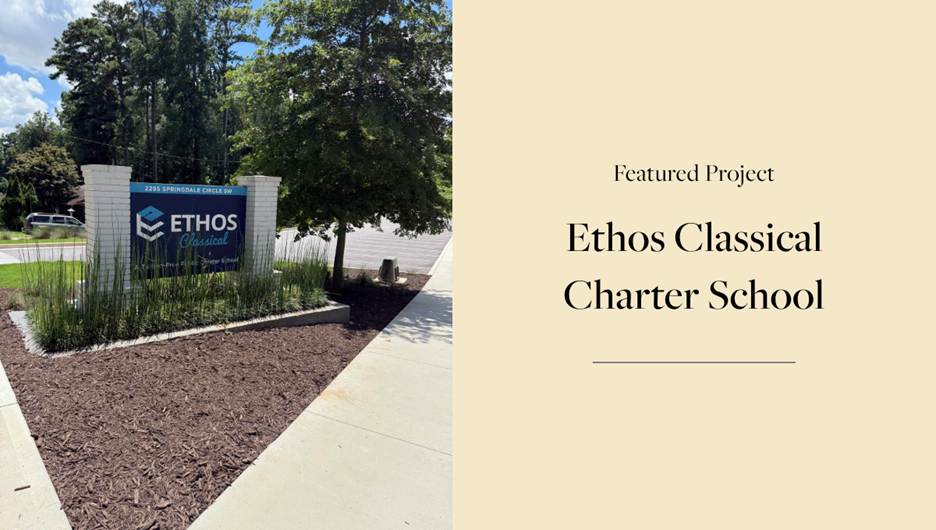
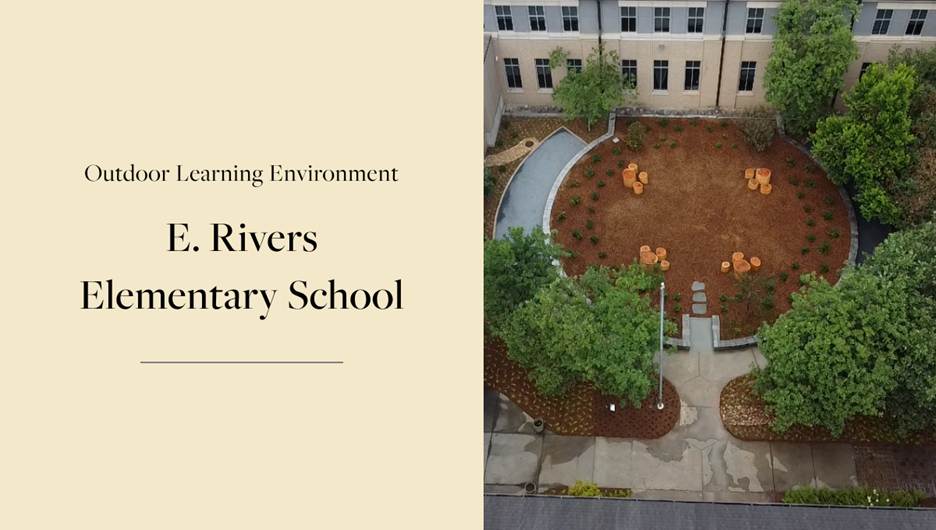 If your school is starting to think through accessibility, drainage, or shade in its outdoor spaces, working with a landscaping partner who already understands K-12 campuses, and the practical realities of school budgets and timelines, can save you from learning some of these lessons the hard way.
Whether that’s Calo or another one of our Charter Insiders, the point stands: this kind of planning goes smoother with someone who’s done it before.
GCSA will keep an eye on how HB 371 gets implemented and pass along updates as they come. If your school is weighing a new build after mid-2027, the smart move is folding inclusive design into your earliest planning conversations, not bolting it on at the end.
Questions about how HB 371 might affect your school’s facility planning? Reach out to the GCSA team.
Shabaaka Smalls
